South African Nurses’ Religious Objections May Be Driving Some Teens Toward Unsafe Abortions, Report Warns
A new report from South Africa has reignited debate over one of healthcare’s most sensitive ethical issues: how to balance nurses’ religious beliefs with patients’ legal access to medical care.
According to an investigation by Health-e News, some teenage girls say they have been denied legal abortion services by nurses citing religious objections, leaving them feeling abandoned and, in some cases, turning to dangerous, illegal abortion providers.
Teen Says She Was Refused Care
The report centers on the experience of an 18-year-old student from Limpopo, identified only as Liza to protect her identity.
After discovering she was pregnant, Liza decided she wanted a legal abortion.
Because she did not want to attend the clinic in her own community, where she feared being recognized, she travelled approximately 29 kilometres to Rethabile Community Health Centre in Polokwane.
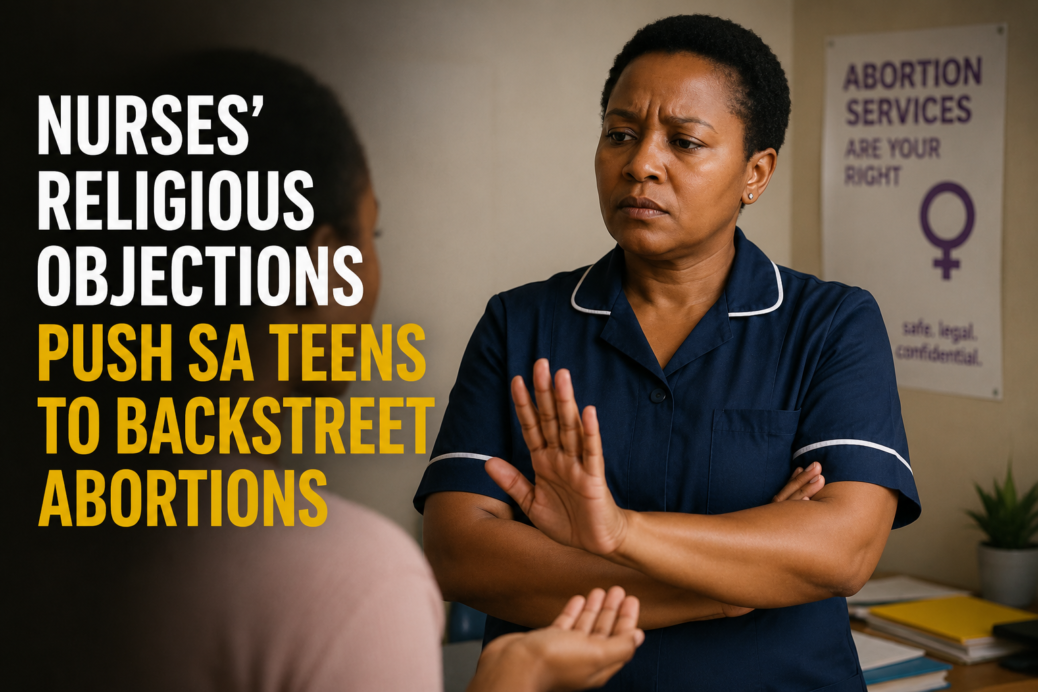
Instead of receiving treatment, she says a nurse refused to help after learning she wanted an abortion.
According to Liza, the nurse told her:
“My religion is against abortion.”
Liza said another nurse also declined to assist her and, importantly, she says neither nurse referred her to another provider or explained where she could legally obtain the service.
Turning to an Illegal Provider
Feeling desperate and unsure where else to go, Liza says she sought help from a traditional healer who was not authorized under South African law to perform abortions.
She reportedly paid R500 for herbal mixtures that she was instructed to drink over several days.
Soon afterwards, she experienced severe abdominal pain, heavy bleeding, nausea and diarrhoea.
Although the traditional healer later told her the abortion had been successful, the experience highlighted the risks associated with unregulated abortion services.
Abortion Is Legal in South Africa
South Africa has one of Africa’s more liberal abortion laws.
Under the Choice on Termination of Pregnancy Act, abortion is available on request during the first 12 weeks of pregnancy.
Between 13 and 20 weeks, abortions may still be legally performed under specified circumstances, including risks to the woman’s health, fetal abnormalities, rape, incest, or significant social and economic hardship.
However, reproductive health advocates say legal access does not always translate into practical access.
Some patients report encountering:
- Staff shortages
- Limited designated facilities
- Stigma
- Delays
- Healthcare workers unwilling to provide abortion services
These barriers, advocates argue, can push vulnerable women toward unsafe alternatives.
The Ethical Dilemma Facing Nurses
The case has renewed discussion about conscientious objection—the right of healthcare professionals to decline participation in certain procedures because of deeply held religious or moral beliefs.
Many countries, including South Africa, recognize some form of conscientious objection for abortion providers.
However, professional guidance generally expects that when healthcare professionals decline to provide a legal service, patients should still be treated respectfully and, where required by law or policy, be informed about how to access care elsewhere rather than being abandoned.
This creates a difficult ethical balance.
Many nurses believe they should never be compelled to participate in procedures that violate their conscience.
At the same time, healthcare systems have a responsibility to ensure that patients can access services that are legal and available under national law.
Unsafe Abortions Remain a Public Health Concern
Public health experts warn that illegal abortions continue to pose serious risks.
Procedures performed by unqualified individuals or using unregulated substances can result in:
- Severe bleeding
- Infection
- Damage to reproductive organs
- Infertility
- Sepsis
- Death
Researchers have long argued that stigma, delays in obtaining care, and poor treatment within healthcare facilities are among the reasons some women seek unsafe abortions despite legal alternatives being available.
A Wider Debate
The story has sparked discussion well beyond South Africa.
Some believe healthcare workers should never be forced to act against sincerely held religious convictions.
Others argue that once a service is legal, healthcare systems must ensure patients can obtain timely access without being left to navigate the system alone.
Regardless of where individuals stand on the issue, the case highlights the challenges healthcare providers face when legal rights, professional responsibilities, personal beliefs, and patient access intersect.
Health authorities have not commented publicly on the specific allegations in Liza’s case.