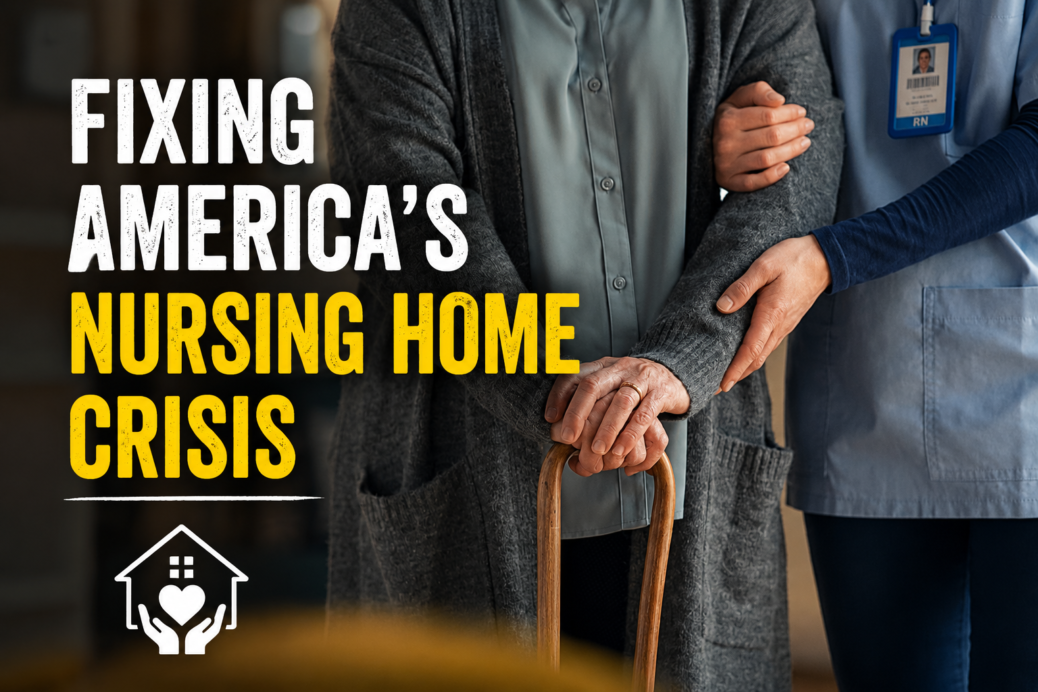
Weill Cornell Warns America’s Nursing Home Crisis Is Getting Worse — And Urgent Action Is Needed
Healthcare experts at Weill Cornell Medicine are warning that America’s nursing home system is heading toward a major crisis as the country’s ageing population grows faster than the industry’s ability to care for it.
In a newly published perspective in the New England Journal of Medicine, researchers from Weill Cornell and Brown University say the United States is facing an “unprecedented” long-term care challenge that could put massive pressure on families, hospitals, and healthcare systems over the next decade.
The warning comes as the oldest Baby Boomers begin turning 80 — a demographic shift expected to dramatically increase demand for nursing home beds, dementia care, and long-term support services.
But there’s one major problem.
The number of nursing homes is shrinking.
According to the Weill Cornell report, nearly 10% of U.S. nursing homes closed between 2011 and 2021, reducing already limited capacity at a time when demand is rising sharply.
At the same time, the number of Americans aged 80 and older is expected to rise by more than 45% over the next 10 years — from under 15 million today to around 22 million by 2036.
That combination of rising demand and falling supply is creating what experts call a dangerous mismatch.
And staffing shortages are making it worse.
Researchers say one of the biggest misconceptions about nursing home capacity is assuming licensed beds automatically mean available beds.
In reality, a nursing home may technically have space — but without enough registered nurses, licensed practical nurses, and certified nursing assistants to safely care for residents, those beds cannot actually be used.
This means the workforce crisis is now directly limiting patient access.
The report points to low wages, burnout, and poor retention as major reasons why direct care workers continue leaving the sector.
Many facilities, especially in rural communities, are struggling to stay open.
And if they close, families often have very few alternatives.
One of the report’s strongest concerns centres around dementia care.
The majority of nursing home residents live with dementia or other complex care needs, and researchers say the system is not prepared for the coming surge.
Without urgent reform, hospitals could face longer discharge delays as elderly patients wait for placement, increasing overcrowding and straining acute care services.
To tackle the crisis, the researchers proposed five major recommendations.
First, they say policymakers need to stop measuring nursing home capacity only by licensed bed numbers and start focusing on actual staffing capacity.
Second, they recommend changes to Centers for Medicare & Medicaid Services payment systems to better support nursing homes, especially through Medicaid funding.
The authors argue that reimbursement systems should be restructured to encourage higher wages, workforce training, and staff retention.
Third, they say nursing homes caring for large numbers of Medicaid patients need targeted financial support to prevent closure.
These facilities often generate lower revenue despite serving some of the most vulnerable populations.
Fourth, they call for stronger hospital-to-nursing-home partnerships.
This could include shared staffing models, cross-training, and better care coordination to improve transitions and reduce bottlenecks.
Finally, they argue for increased support for long-term dementia care services, both financially and structurally.
The researchers stress that solving the nursing home crisis is not just about buildings — it’s about workforce.
Without more nurses, aides, and long-term care professionals entering the field, even well-funded facilities may struggle to meet future demand.
The report adds to growing concerns nationwide over elder care.
Across the U.S., nursing homes continue battling staffing shortages, financial instability, and rising operational costs.
At the same time, policymakers remain divided over staffing mandates, reimbursement reform, and immigration pathways for healthcare workers.
For nurses, the report highlights how critical long-term care will become in the coming years.
As hospitals grow more crowded and home care services remain limited, nursing homes will continue playing a central role in America’s healthcare system.
But experts warn time is running out.
Without urgent reforms, millions of families may soon find themselves unable to access the care their loved ones need.
And as America ages, the consequences could affect every part of the healthcare system.