New York Inmate Convicted After Throwing Urine at Prison Nurse During Medication Round
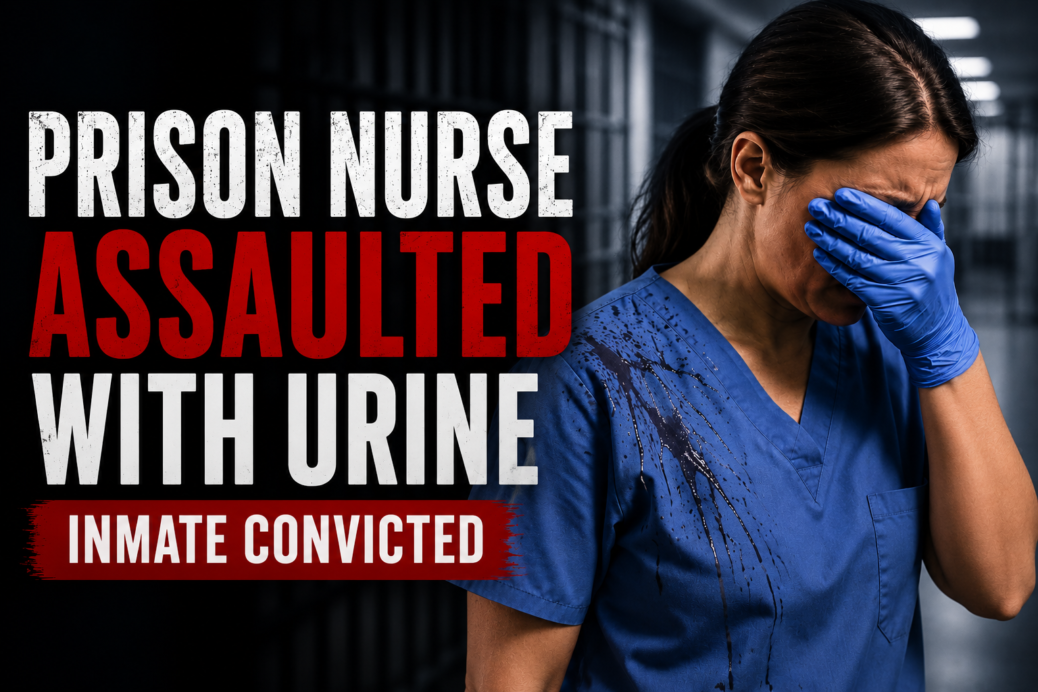
A New York inmate has been convicted after throwing urine at a prison nurse and correctional officer during a disturbing assault inside a state correctional facility.
Levar Murray, 48, was found guilty by a Cayuga County jury on two counts of aggravated harassment of an employee by an incarcerated individual following the incident at Auburn Correctional Facility.
Prosecutors say the attack happened on January 10, 2024, while Murray was being held in the prison’s Special Housing Unit.
The nurse was reportedly delivering medication to Murray’s cell when he threw urine, striking both the nurse and a correctional officer.
A Dangerous Reality for Correctional Nurses
For many nurses working inside prisons, stories like this are unfortunately not rare.
Correctional nursing is one of the toughest areas of healthcare.
Nurses work in high-risk environments where patients may also be violent offenders.
Unlike hospitals, prison nurses often face:
- Physical assaults
- Exposure to bodily fluids
- Verbal abuse
- Security threats
- Mental health crises
Being attacked with bodily fluids carries serious health risks, including possible exposure to infectious diseases.
That’s why many healthcare workers view these assaults as far more than simple misconduct.
Convicted by Jury
The Cayuga County District Attorney’s Office confirmed that Murray was convicted after trial and now faces additional prison time.
He is currently serving a nine-year sentence at Attica Correctional Facility for previous firearm-related convictions.
Prosecutors say he could now face:
- An additional 2.5 to 5 years consecutive to his current sentence
- A fine of up to $5,000
Sentencing is scheduled for September 25.
Nurses Deserve Protection Too
The conviction highlights the dangers correctional healthcare staff face daily.
While much attention is often placed on correctional officers, prison nurses are equally exposed to violence.
Many nurses say stronger protections are needed, including:
- Better security during medication rounds
- Faster emergency response
- Stronger criminal penalties for assaults
- Mental health support after incidents
For healthcare workers, no one should fear being attacked simply for doing their job.
And for correctional nurses, that reality remains part of the profession every day.
This case sends a clear message:
Assaulting healthcare workers — even behind prison walls — carries consequences.