12 Nurses Say They Were Replaced by AI at a New York Hospital — What This Could Mean for the Future of Nursing
Artificial intelligence is no longer just assisting healthcare.
Some nurses now fear it may be replacing them.
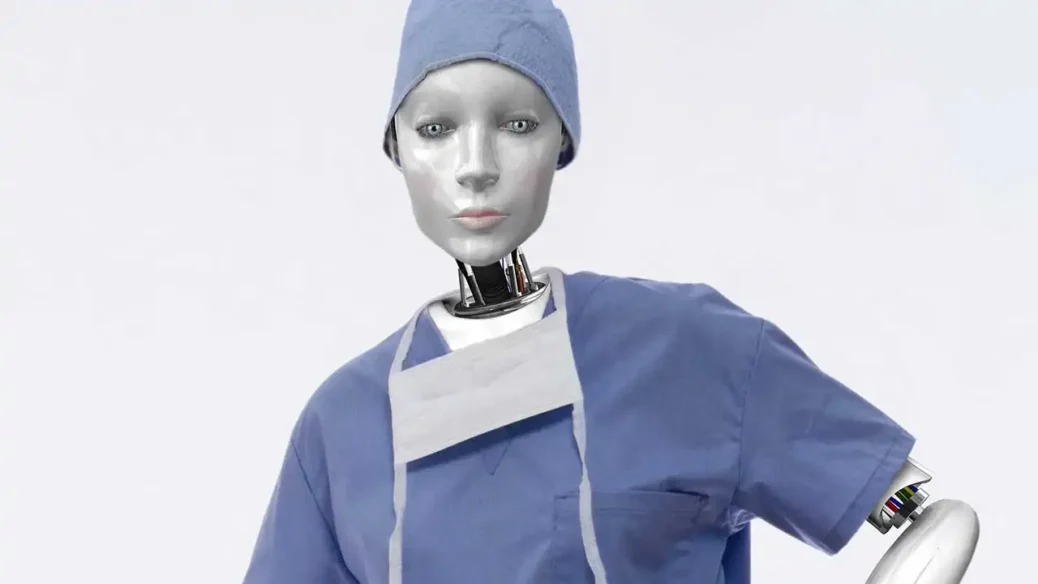
A growing controversy at Montefiore Medical Center in the Bronx, New York, has sparked intense debate after 12 nurses claimed they lost their jobs and were replaced by AI-powered systems.
The nurses, who reportedly worked in care coordination and case management roles, say hospital leadership introduced artificial intelligence to automate tasks they once handled. The story has ignited concern across the nursing profession, with many asking:
Is AI coming for nursing jobs?
It is a question that once felt far away.
Now it feels much closer.
What Happened at Montefiore?
According to reports, the affected nurses were not bedside nurses working directly in hospital wards. Instead, they worked in roles involving patient coordination, discharge planning, documentation review, and communication between departments.
These jobs are critical.
They help ensure patients leave the hospital safely, receive the right follow-up care, understand medications, and avoid readmission.
But they are also heavily administrative.
That makes them vulnerable to automation.
Hospital administrators reportedly introduced AI systems designed to streamline these workflows by analysing patient data, flagging risks, generating recommendations, and helping guide discharge decisions.
The result?
The nurses claim they were no longer needed.
Whether the hospital frames it as “workflow optimization” or “digital transformation,” the reality feels very different to the staff who lost their livelihoods.
To them, it feels like replacement.
And that is why this story matters.
Nursing Has Always Adapted — But This Feels Different
Nursing is no stranger to change.
Over the years, nurses have adapted to:
- Electronic medical records
- Automated medication dispensing
- Telehealth
- Remote patient monitoring
- Digital charting
- Virtual consultations
Each advancement changed how nurses worked.
But there was always one difference:
technology assisted nurses.
It did not remove them.
AI feels different because for the first time, some systems are being positioned as substitutes rather than support tools.
That is the shift making many nurses uneasy.
What AI Can Actually Do in Healthcare
To understand the concern, it helps to understand what AI is already capable of.
AI systems can now:
Analyse patient records quickly
AI can scan thousands of data points in seconds — lab results, vitals, diagnoses, medications.
What might take a nurse 20 minutes can take AI seconds.
Predict patient deterioration
Some systems can detect early warning signs of sepsis, falls, or cardiac events before symptoms become obvious.
Generate discharge plans
AI can suggest care pathways based on patient history, diagnoses, and insurance requirements.
Reduce paperwork
Documentation is one of nursing’s biggest burdens. AI can now draft notes, summarise encounters, and organise care plans.
Assist in staffing models
Hospitals are already using AI to predict staffing needs based on patient volume.
On paper, this sounds efficient.
But healthcare is not paper.
It is people.
What AI Cannot Replace
This is where many nurses are drawing the line.
AI can process information.
But it cannot feel.
It cannot:
- notice fear in a patient’s eyes
- detect emotional withdrawal
- comfort grieving relatives
- sense when something “just isn’t right”
- advocate when doctors miss something
- build trust in moments of vulnerability
Experienced nurses know this.
Sometimes a patient looks “fine” on paper.
But something in your gut says otherwise.
That instinct saves lives.
And instinct is not programmable.
At least not yet.
Which Nursing Jobs Are Most at Risk?
Not every nursing role faces the same level of risk.
The areas most vulnerable are usually roles with repetitive, structured workflows.
These include:
Case Management
This is the area at the centre of the Montefiore story.
Tasks like discharge coordination, insurance approvals, and care navigation can be heavily system-driven.
Utilisation Review
Reviewing charts for insurance compliance and medical necessity could increasingly become AI-assisted.
Telephone Triage
Basic symptom-based triage systems are already being automated.
Documentation Specialists
Roles focused mainly on paperwork and coding may shift significantly.
Scheduling and Operational Nursing Roles
AI can optimise staffing, rota management, and resource planning.
This does not mean these jobs disappear completely.
But they may shrink.
Which Nursing Roles Are Safest?
The more human complexity involved, the safer the role.
These include:
- ICU nursing
- Emergency nursing
- Psychiatric nursing
- Paediatric nursing
- Labour and delivery
- Oncology
- Community nursing
- Hospice care
- Mental health nursing
These areas require emotional intelligence, fast decision-making, and deep human interaction.
Things AI still struggles to replicate.
The Bigger Fear: Cost-Cutting Over Care
Let’s be honest.
Hospitals do not invest in AI purely for innovation.
They invest because it can save money.
And that is where many nurses become concerned.
When healthcare leaders start viewing labour as a cost to reduce rather than care to preserve, patients can suffer.
A hospital may save millions.
But what happens when:
- fewer experienced nurses remain
- human oversight weakens
- patient advocacy decreases
- mistakes slip through
Efficiency should never come at the expense of safety.
That balance is critical.
What Nurses Should Be Doing Right Now
This is not a warning to leave nursing.
It is a warning to evolve.
The nurses who thrive in the AI era will be the ones who strengthen skills technology cannot easily copy.
Focus on:
Specialisation
Get into fields where human expertise matters most.
Leadership
AI may assist decisions, but leaders will still be needed.
Critical Thinking
Machines process data. Nurses interpret it.
Communication Skills
Families need people, not software.
Advanced Practice
Nurse practitioners, nurse anaesthetists, and clinical nurse specialists remain highly protected.
Emotional Intelligence
This may become nursing’s most valuable skill.
The future nurse may need both clinical skills and digital fluency.
Final Thoughts
The Montefiore story may be one of the first major warnings that AI is shifting from helper to competitor in some nursing spaces.
That does not mean nursing is disappearing.
Far from it.
But it does mean the profession is changing.
Fast.
The truth is:
AI may replace parts of nursing.
But it cannot replace the soul of nursing.
And perhaps that is what this moment is forcing us to remember.
Because in the end, healing has always been more than data.
It has always been human.