A Nigerian nursing advocacy group has entered the growing national debate over democracy, judicial conduct, and human rights after calling for international visa restrictions against key officials involved in the detention of activist and politician Omoyele Sowore.
The group, known as the Elegant Nurses Forum (ENF), publicly demanded that foreign governments impose visa bans on Justice Mohammed Umar and other judicial and security officials linked to Sowore’s detention, citing what they described as abuse of power and violations of fundamental human rights. The call was made amid intensifying criticism surrounding the handling of the case.
Sowore, a Nigerian human rights activist, politician, and founder of Sahara Reporters, has remained one of the country’s most outspoken critics of government corruption and democratic backsliding. His recent detention has sparked protests and widespread concern among civil society groups, legal professionals, and political observers.
In a statement released by the forum’s National Coordinator, Nurse Thomas Abiodun Olamide, the group strongly criticised what it sees as a politically motivated campaign against dissenting voices in Nigeria.
According to the statement, the nurses described the prosecution of Sowore as a “dangerous assault on democracy, civil liberties, and the rule of law,” warning that the country’s democratic foundations could be weakened if political opposition continues to face what they allege are targeted judicial actions.
The group’s intervention is notable because healthcare professionals do not often publicly engage in political controversies of this scale. However, the ENF argued that nurses, as advocates for human dignity and justice, have a responsibility to speak when they believe constitutional rights are under threat.
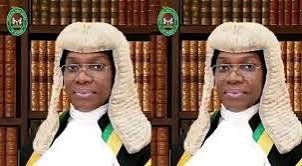
The controversy has been further fueled by reports of courtroom conduct involving Justice Mohammed Umar, particularly allegations that a lawyer was ordered to kneel in court — an act that has attracted criticism from legal circles and reportedly prompted concerns from the Nigerian Bar Association.
The nurses’ group described the alleged incident as deeply troubling, stating that judicial spaces must remain environments of fairness, respect, and dignity.
In their demands, the forum called for several immediate actions, including Sowore’s release, the recusal of Justice Umar from future proceedings involving the activist, and a formal investigation by the National Judicial Council into allegations of judicial misconduct.
Perhaps most strikingly, the group urged the international community — including the United Nations, African Union, ECOWAS, and foreign governments — to closely monitor developments in Nigeria and consider diplomatic measures against officials found to have abused their authority.
The proposed visa ban reflects a growing trend where activists and advocacy groups seek international accountability measures against public officials accused of violating democratic norms.
For many observers, the case has become a wider symbol of Nigeria’s ongoing struggle between political power and civil liberties.
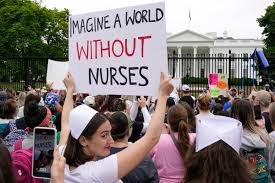
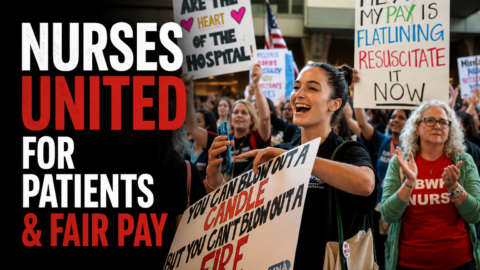
Within the nursing profession, the statement also reflects an emerging trend of nurses taking stronger public positions on social justice issues. Historically seen primarily as caregivers, nurses around the world are increasingly becoming advocates for policy reform, human rights, and community protection.
Healthcare professionals often witness firsthand the effects of social instability, political oppression, and human rights violations on public health and societal wellbeing.
The ENF says its intervention is rooted in that broader professional responsibility.
As Sowore’s legal battle continues, the calls for accountability are unlikely to fade soon. With public pressure mounting and international attention growing, the case may become a significant test of Nigeria’s commitment to judicial independence, democratic values, and the protection of free speech.
For many nurses and professionals across Africa, the situation has become more than a political issue — it has become a question of justice, dignity, and the preservation of democratic freedoms.