South Africa is taking a significant step toward improving healthcare accessibility by expanding its network of nurse-led community clinics, a move many experts believe could transform primary healthcare delivery in underserved communities.
The expansion is being driven by a partnership between the FirstRand Empowerment Foundation and the Cipla Foundation through the Sha’p Left initiative, a healthcare model focused on placing nurse-operated clinics directly within communities where access to healthcare remains limited. The programme aims to bridge longstanding gaps in care by bringing affordable and efficient healthcare services closer to patients.
Under the expansion plan, the number of operational clinics is expected to grow from 11 to 61 by 2029. Initial rollout sites include Senoane in Gauteng and the communities of KwaNyuswa and Verulam in KwaZulu-Natal, areas identified as having urgent healthcare access needs.
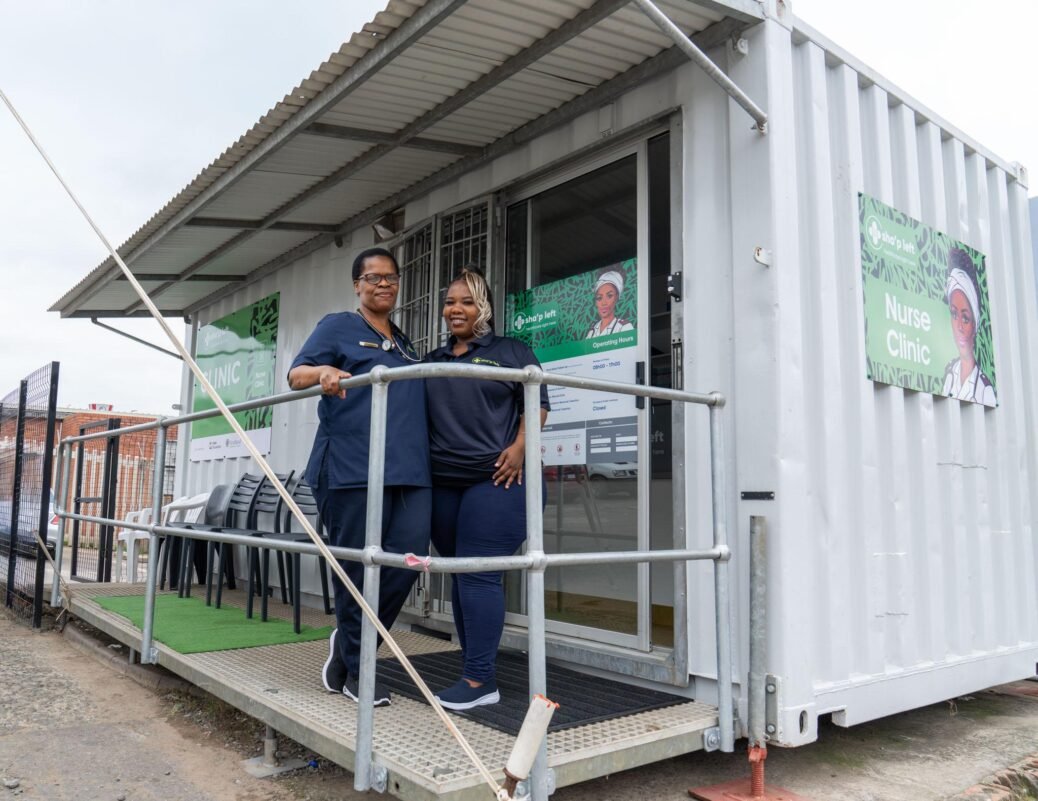
The Sha’p Left model represents an innovative shift in healthcare delivery by empowering qualified clinical nurse practitioners to own and operate their own community-based surgeries. These clinics are housed in containerised facilities designed to function as fully equipped healthcare units, offering consultations, diagnosis, treatment, and medication dispensing all within one visit.
Importantly, the clinics are authorised to dispense Schedule 4 medicines, allowing patients to receive treatment without needing multiple referrals or additional visits. This model significantly reduces waiting times and eliminates many of the barriers that low-income communities often face when trying to access healthcare.
For many South Africans living in peri-urban and township communities, accessing public healthcare can be both time-consuming and financially draining. Long queues, overcrowded hospitals, transport costs, and lost wages from taking time off work often discourage early treatment and preventative care.
By placing these nurse-led clinics in strategic community hubs such as taxi ranks and densely populated neighbourhoods, the initiative seeks to remove those barriers and improve health outcomes. The goal is not simply convenience, but earlier intervention, improved disease management, and reduced pressure on public hospitals.
Healthcare leaders say nurse-led care is becoming increasingly vital across Africa, particularly as healthcare systems continue to face staff shortages, growing populations, and budget constraints.
In South Africa, nurses already carry much of the burden of primary care, especially for women and children. This expanded model formalises and strengthens that role while also opening doors for nurse entrepreneurship.
The programme is especially notable for its focus on economic empowerment. Many of the nurse practitioners involved are women, and through the initiative they gain the opportunity to run financially sustainable clinics, creating both healthcare access and business ownership.
This dual-purpose approach — combining healthcare delivery with economic opportunity — has attracted growing interest from social investors who view it as a scalable and sustainable model for healthcare development.
Environmental sustainability is also part of the project, with solar energy systems being installed across clinic sites to reduce operating costs and improve reliability in areas where power outages can disrupt services.
Currently, the Sha’p Left initiative serves more than 5,000 patients each month, demonstrating strong demand for decentralised healthcare solutions. As the network expands, that number is expected to increase significantly.
Healthcare analysts say this model could become a blueprint for other African countries facing similar challenges.
For the nursing profession, this development is a powerful example of how nurses are no longer seen solely as caregivers but increasingly as leaders, innovators, and entrepreneurs within healthcare systems.
As South Africa continues to confront inequalities in healthcare access, nurse-led clinics may prove to be one of the most practical and impactful solutions for the future.